The full peptides catalogue
Every research peptide in the library, grouped by what it does. Click through for full mechanism, dosing literature, and references.
Each card links to the entry with full benefits, mechanism, research-dose ranges, and the SAHPRA disclaimer. The structure images on each page come from Wikimedia Commons and PubChem; per-image attribution is in the docs/peptides/ markdown files.
Browse
Beauty
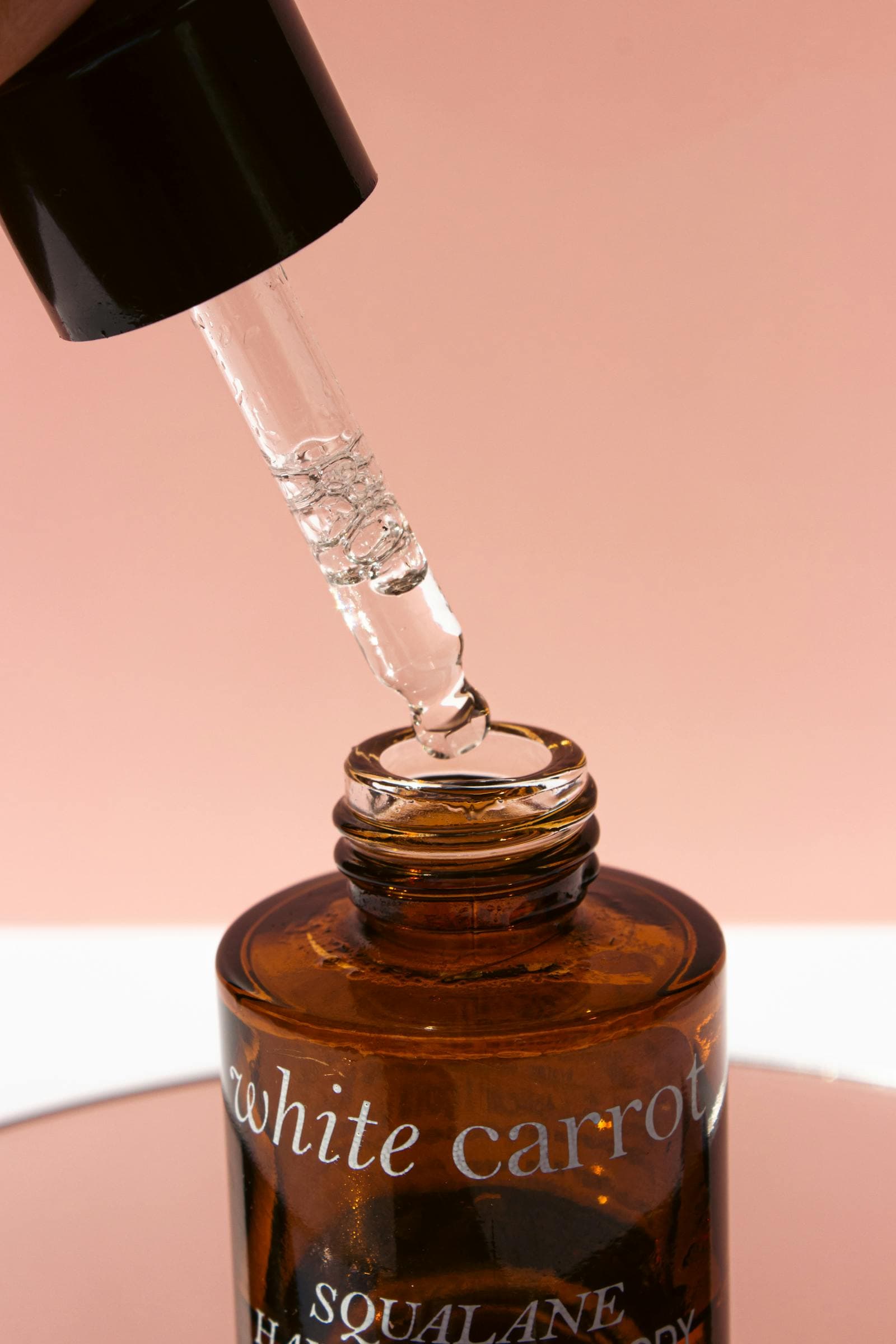
Glow
A vendor blend built around GHK-Cu, the copper-binding tripeptide that drives collagen and matrix remodelling. Formulations on the research market typically pair GHK-Cu with either BPC-157 and TB-500 for tissue repair, or glutathione and vitamin C for antioxidant and pigmentation effects.

GHK-Cu
GHK-Cu is the tripeptide glycyl-L-histidyl-L-lysine bound to a copper ion. It occurs naturally in human plasma, declines with age, and signals through fibroblast pathways involved in extracellular-matrix remodelling.
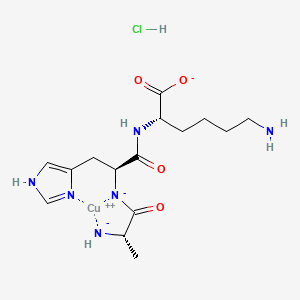
AHK-Cu
AHK-Cu is L-alanyl-L-histidyl-L-lysine bound to copper — a close cousin of GHK-Cu with alanine in place of glycine at the first residue. The substitution shifts its profile toward dermal-papilla and hair-follicle activity.

Melanotan II
Melanotan II is a synthetic cyclic analogue of α-melanocyte-stimulating hormone. It is a non-selective agonist of MC1, MC3, MC4 and MC5 receptors — MC1 drives eumelanin synthesis (the tanning effect), MC4 accounts for appetite and sexual side effects.
Energy
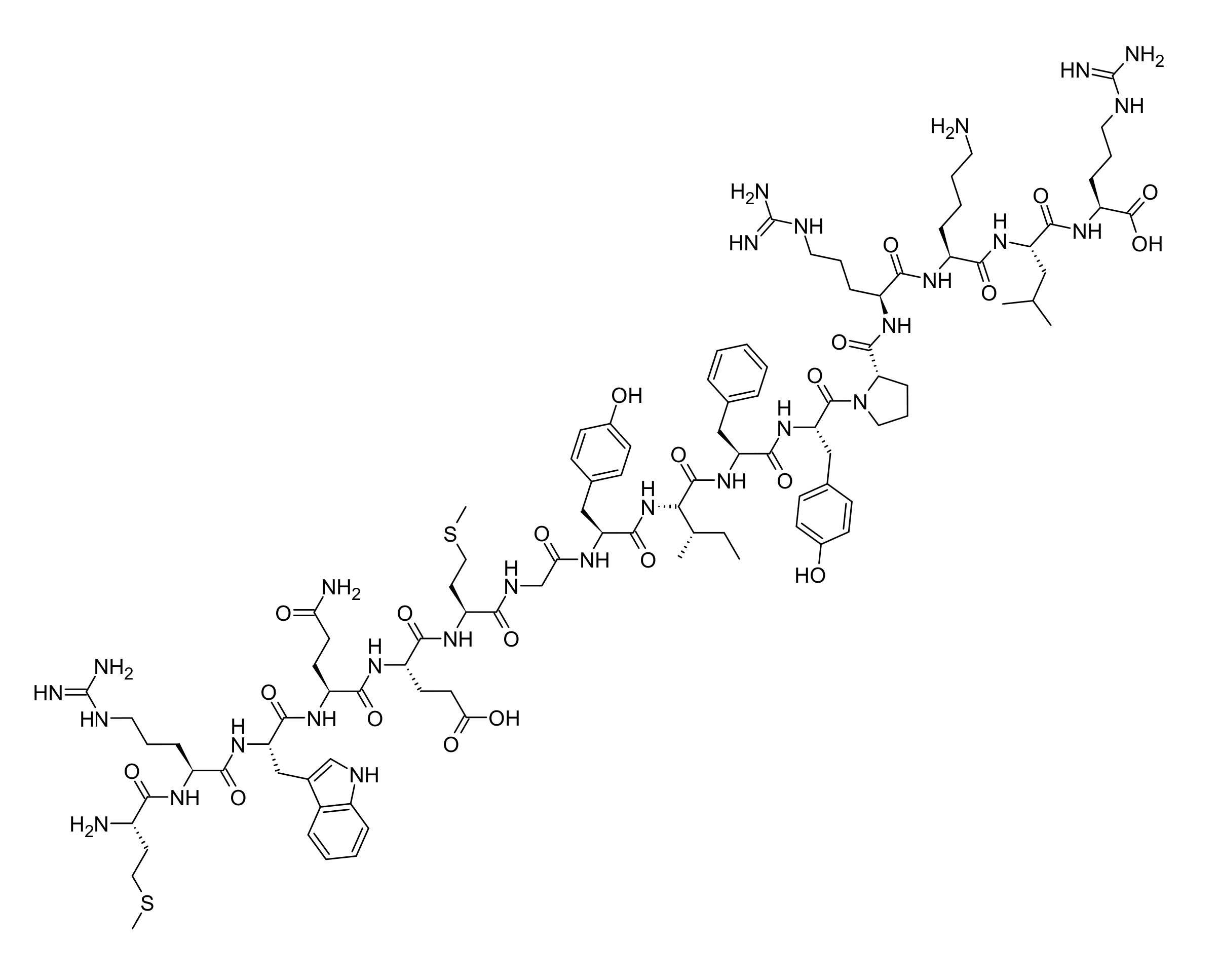
MOTS-c
Improves energy production, insulin sensitivity, and metabolic health.
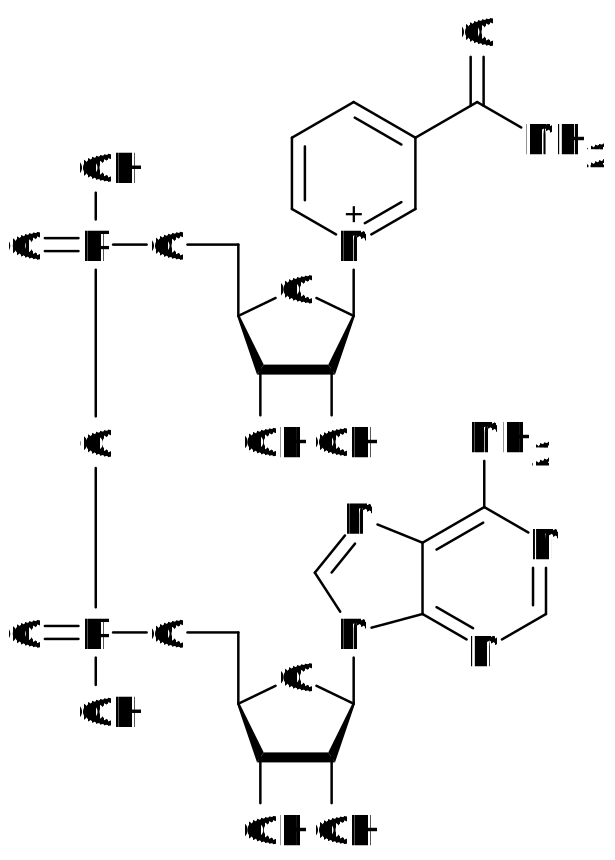
NAD+
Supports cellular repair, anti-aging, mental clarity, and energy levels.
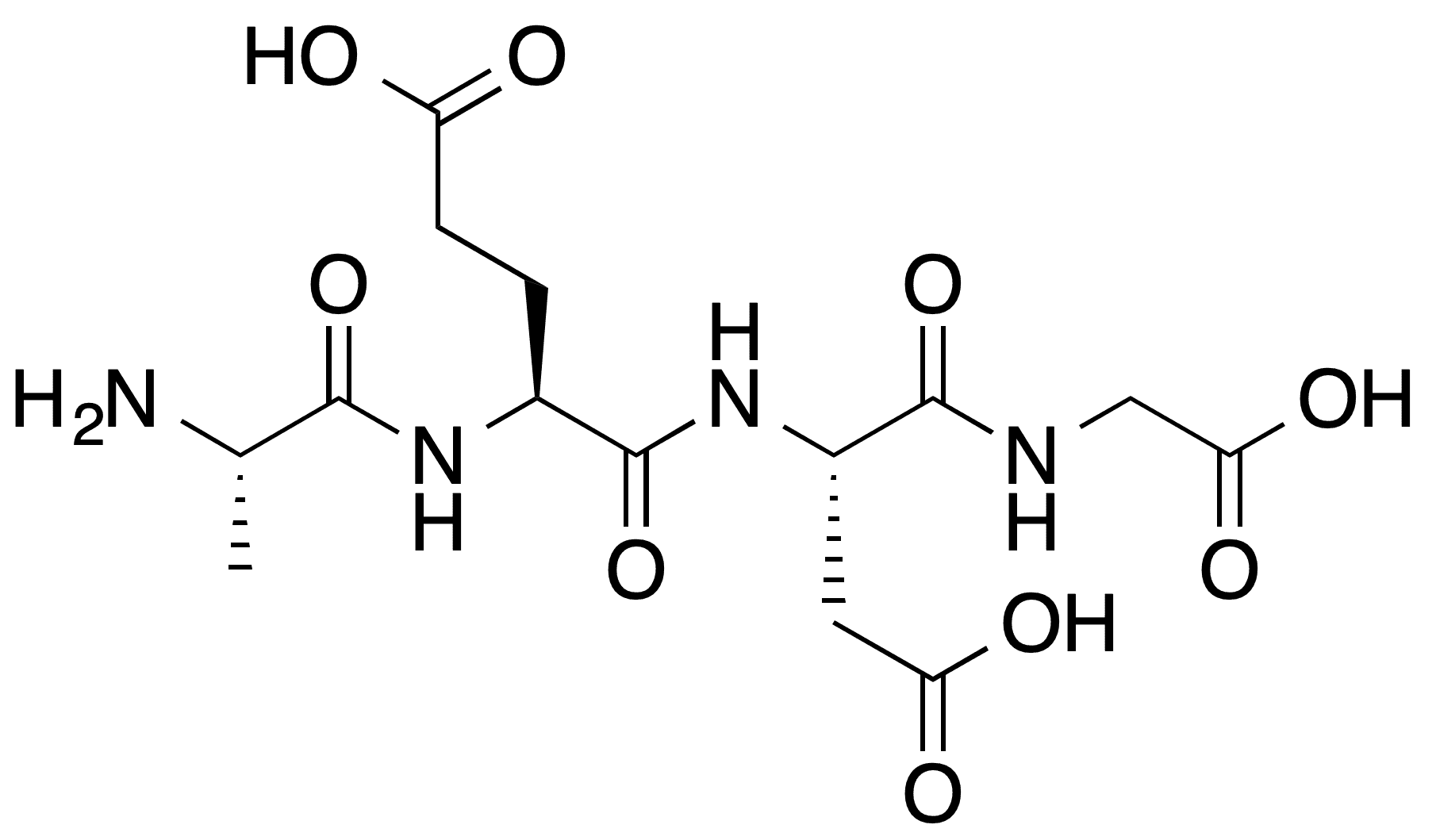
Epitalon
Supports longevity, sleep quality, and healthy aging.

ARA-290
Helps reduce inflammation and supports nerve and tissue repair.
Hormone Balance
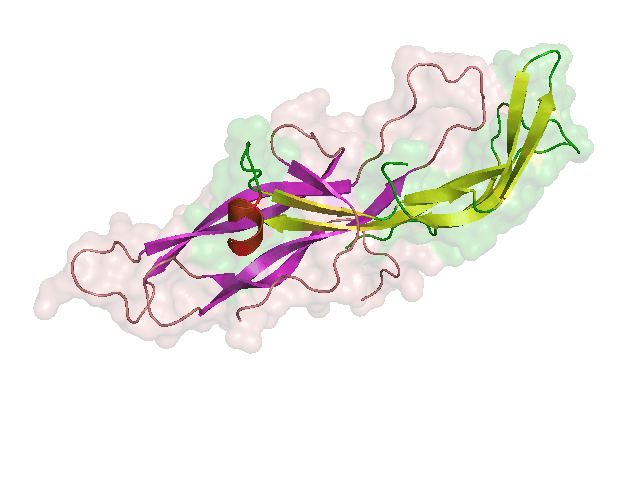
HCG
Human chorionic gonadotropin — a glycoprotein hormone that mimics LH at the testicular Leydig-cell receptor, driving endogenous testosterone and sperm production. Decades of human clinical use, well outside the typical research-peptide category.
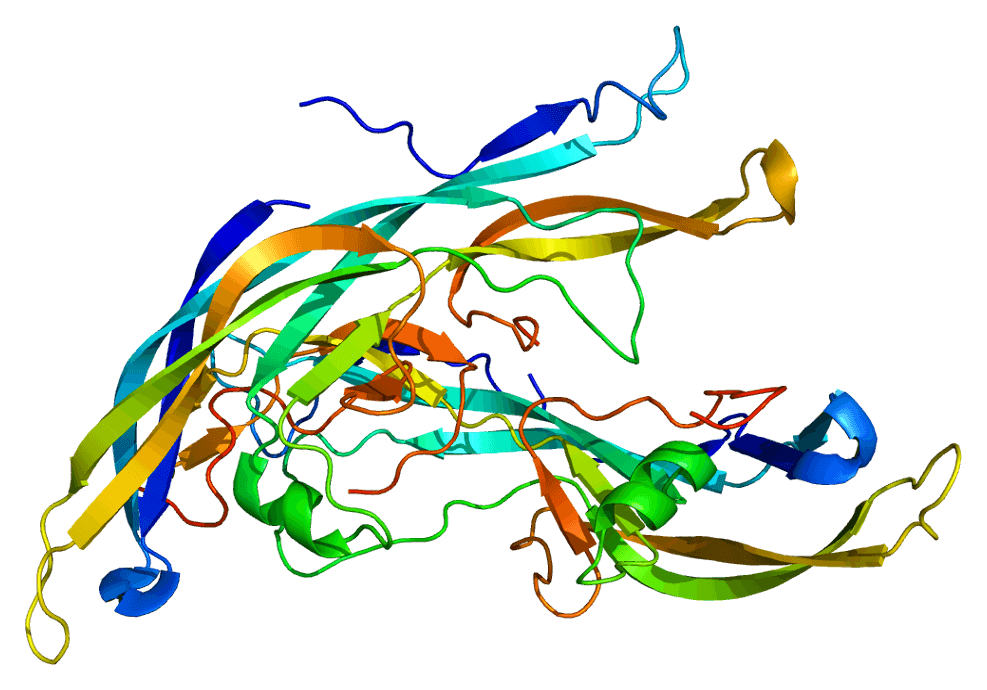
HMG
Human menopausal gonadotropin — a urinary preparation carrying roughly 75 IU each of FSH and LH activity per ampoule. Drives follicular development in women and Sertoli-cell-mediated spermatogenesis in men.
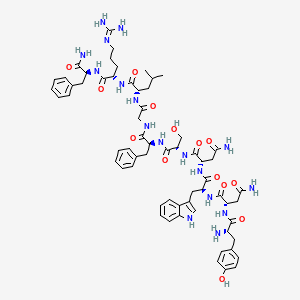
Kisspeptin-10
C-terminal decapeptide fragment of the KISS1 gene product. Binds GPR54 on hypothalamic GnRH neurons one step upstream of the entire hypothalamic-pituitary-gonadal axis, driving pulsatile LH and FSH release.

PT-141 (Bremelanotide)
Synthetic cyclic heptapeptide derived from α-MSH, acting on MC4R in the hypothalamus and limbic system. Targets the central neural circuits of sexual desire rather than peripheral blood flow.
Mind & Mood
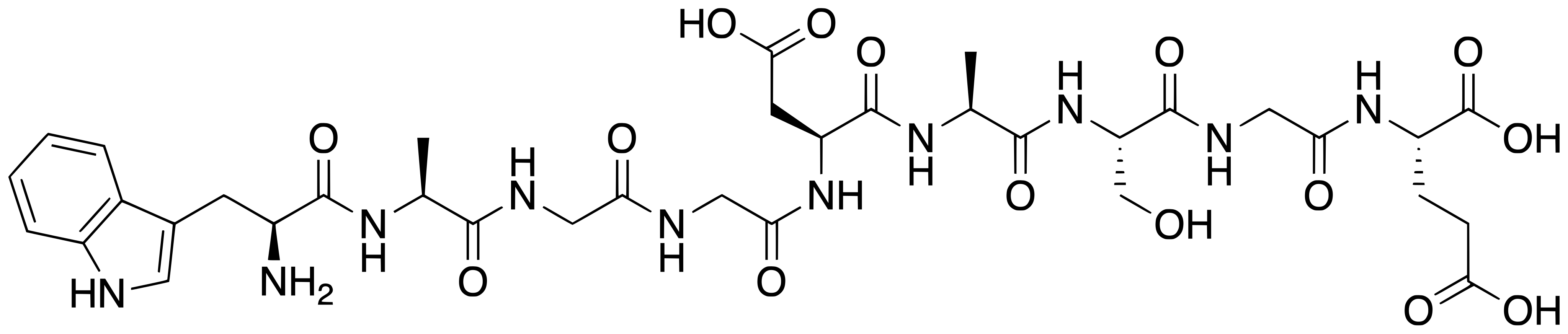
DSIP
Delta sleep-inducing peptide — a nonapeptide isolated in 1977 from the cerebral venous blood of rabbits in induced slow-wave sleep. Crosses the blood-brain barrier; receptor target has never been definitively identified.
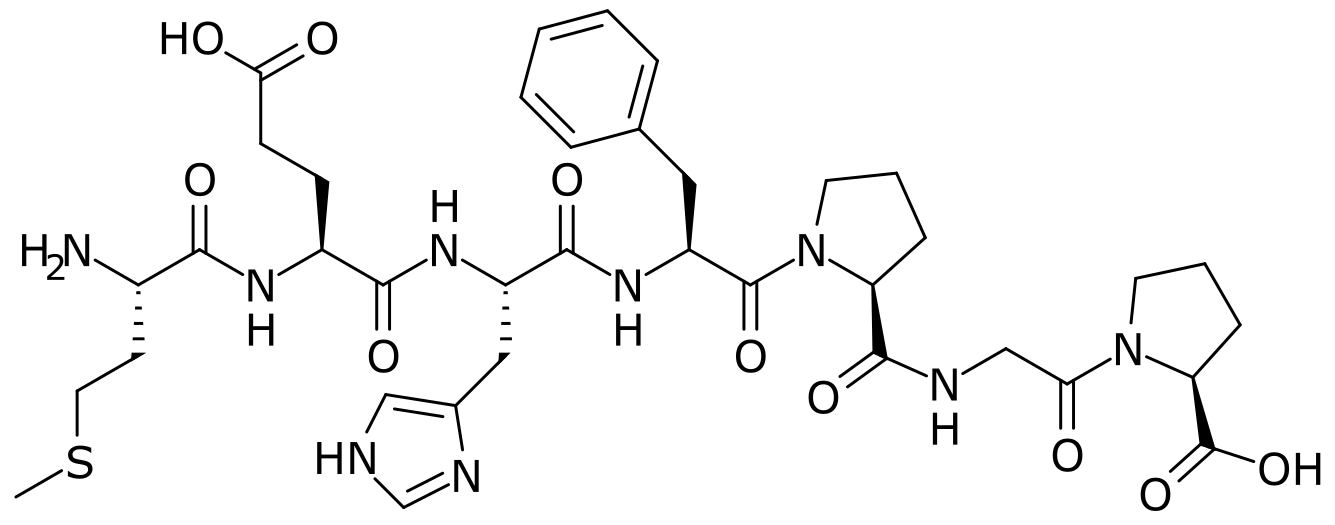
Semax
Synthetic heptapeptide (Met-Glu-His-Phe-Pro-Gly-Pro), an analogue of ACTH(4-10) developed in 1980s Moscow. On Russia's List of Vital and Essential Drugs, prescribed there for stroke recovery and cognitive complaints.
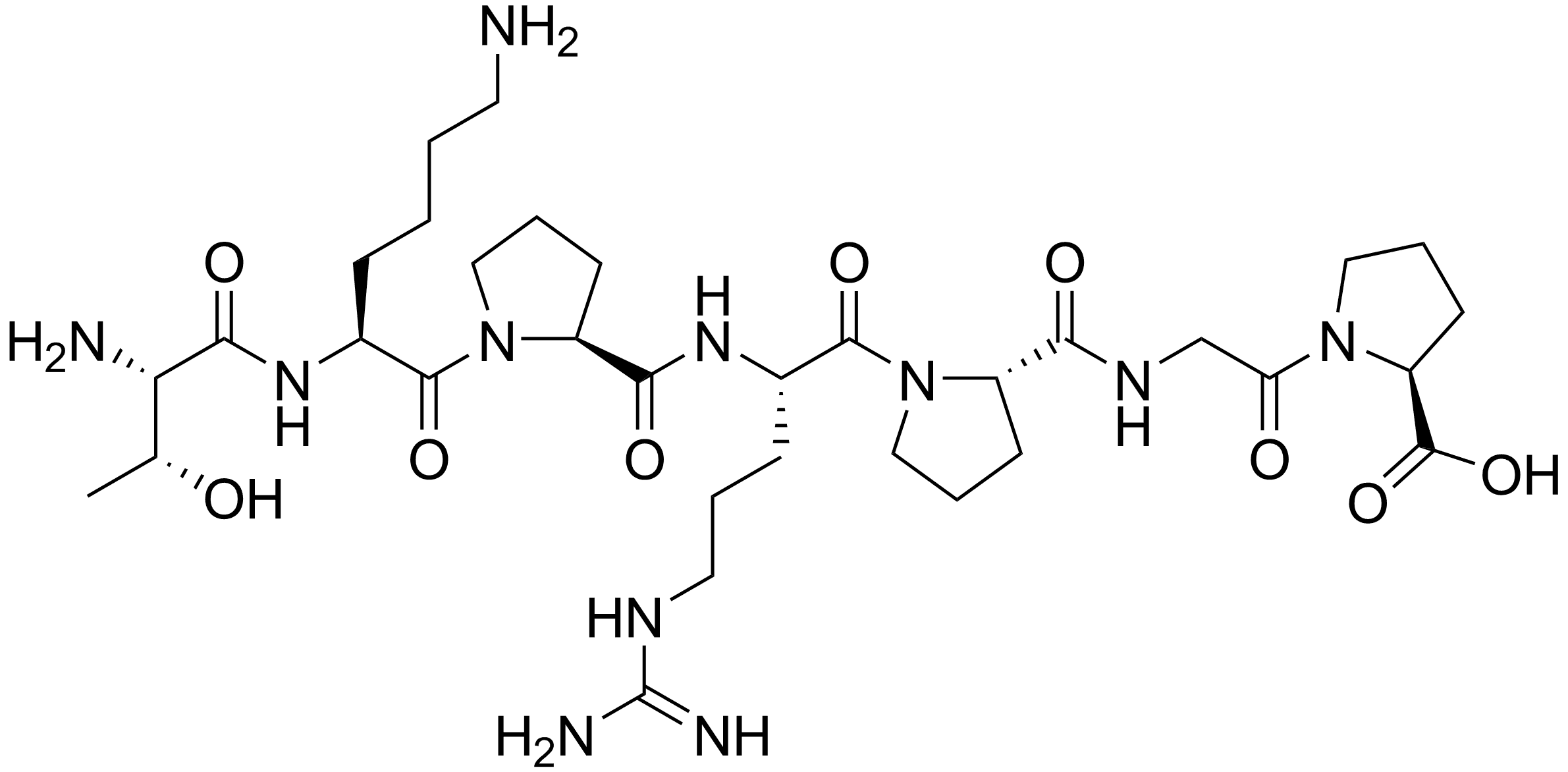
Selank
Synthetic heptapeptide (Thr-Lys-Pro-Arg-Pro-Gly-Pro) developed in Moscow as a stabilised analogue of the immunomodulatory peptide tuftsin. Registered as an anxiolytic in Russia.
Performance
CJC-1295 + Ipamorelin
A two-peptide blend pairing the GHRH analog CJC-1295 (without DAC / Modified GRF 1-29) with the selective ghrelin-receptor agonist Ipamorelin. CJC-1295 lifts the baseline of pulsatile GH release; Ipamorelin amplifies pulse amplitude without driving cortisol, prolactin or ACTH. Dual-receptor stimulation produces a GH response greater than the sum of either alone.

Ipamorelin
Ipamorelin is a pentapeptide (Aib-His-D-2-Nal-D-Phe-Lys-NH2) and a selective agonist of the growth-hormone-secretagogue receptor (GHS-R1a) — the same receptor targeted by ghrelin. It triggers pulsatile GH release without the ACTH, cortisol and prolactin spikes seen with older GHRPs (GHRP-2, GHRP-6, hexarelin).
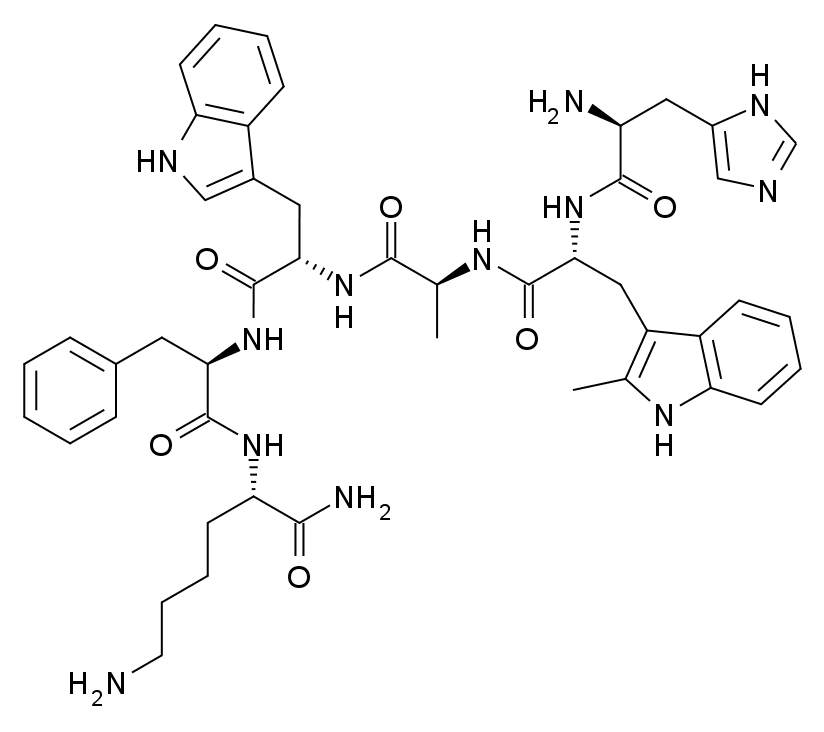
Hexarelin
Hexarelin is a synthetic hexapeptide analog of GHRP-6 and a potent agonist of the growth-hormone-secretagogue receptor (GHS-R1a). It also binds the non-GHS-R receptor CD36, which underlies a separate cardiac action that does not depend on GH release. Of the older GHRPs it produces the strongest GH pulse.
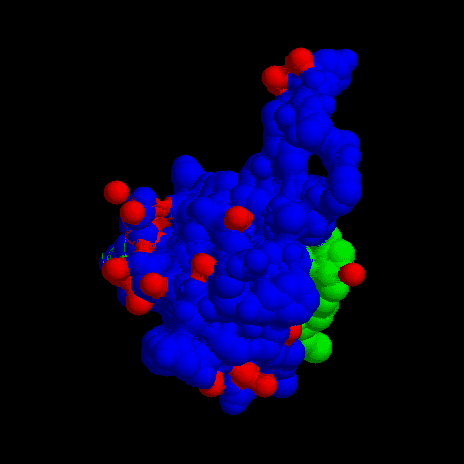
IGF-1 LR3
IGF-1 LR3 (Long R3 IGF-1) is an 83-amino-acid synthetic analog of insulin-like growth factor 1 with a 13-residue N-terminal extension and an arginine substituted for glutamic acid at position 3. The Arg-3 substitution drops affinity for IGF binding proteins ~100-fold while preserving full IGF-1 receptor agonism, so more of the injected peptide is free to bind tissue.
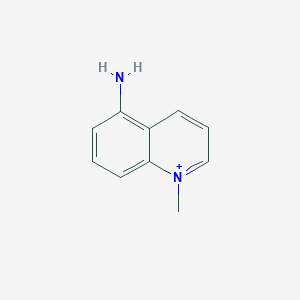
Amino-1MQ
5-amino-1-methylquinolinium (5-Amino-1MQ) is a selective small-molecule inhibitor of nicotinamide N-methyltransferase (NNMT). NNMT methylates nicotinamide into 1-methylnicotinamide, consuming both NAD+ precursors and methyl donors. Inhibiting it raises intracellular NAD+ and SAM, and in adipocytes it suppresses lipogenesis.
Recovery
KLOW
A proprietary four-peptide research blend most commonly formulated as GHK-Cu 50mg + BPC-157 10mg + TB-500 10mg + KPV 10mg per 80mg vial. Covers collagen and matrix remodelling, angiogenesis, cell migration, and NF-kB-driven inflammation in a single stack.
Wolfstack
A Wolverine-style recovery blend, typically BPC-157 10mg + TB-500 10mg per 20mg vial. Pairs local repair signalling with systemic progenitor-cell mobilisation for muscle, tendon, ligament and gut injury work.

BPC-157
Body Protection Compound-157, a synthetic 15-amino-acid pentadecapeptide derived from a sequence in human gastric juice. Acts on multiple repair pathways - angiogenesis, nitric oxide signalling, and growth-factor expression - rather than a single receptor.
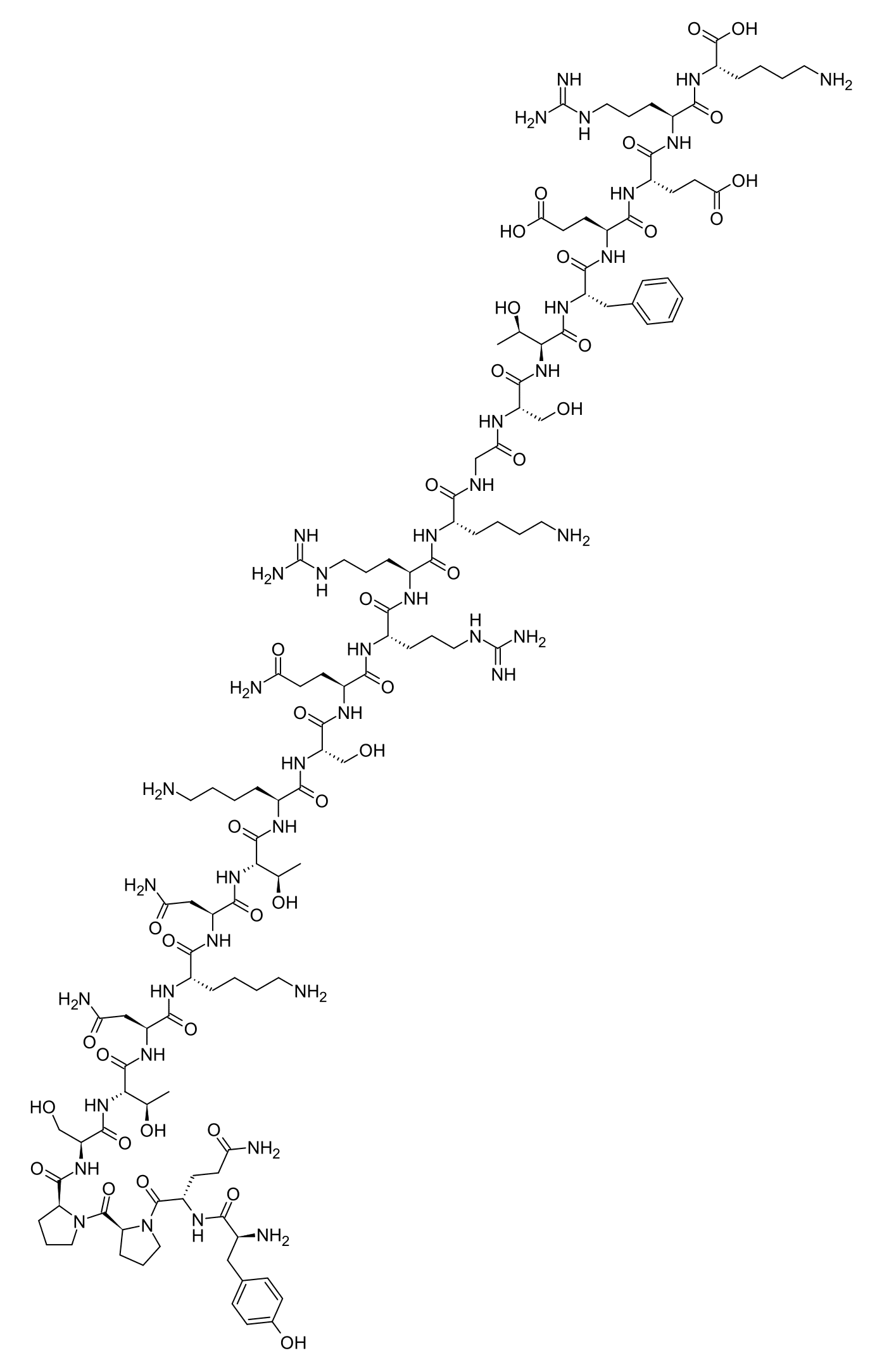
PEG-MGF
Pegylated Mechano Growth Factor - a 24-amino-acid C-terminal splice variant of IGF-1 (IGF-1Ec) expressed by skeletal muscle in response to mechanical load. The PEG chain extends a half-life of minutes into hours, allowing systemic dosing.
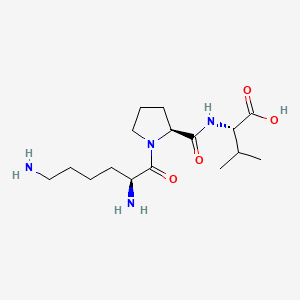
KPV
A lysine-proline-valine tripeptide corresponding to the C-terminal fragment of alpha-MSH. Acts independently of melanocortin receptors - its anti-inflammatory effect is mediated by uptake through the PepT1 transporter on intestinal epithelial and immune cells.
Weight Loss

SEMA Self Mix (Semaglutide)
Supports appetite control, reduces cravings, helps with steady fat loss.

Tirzepatide
Advanced metabolic support for appetite control and improved insulin response.

Retatrutide
Triple-action peptide for fat loss, energy use, and metabolic efficiency.

AOD-9604
Targets stubborn fat areas by helping the body break down fat cells.

SLU-PP-332
Boosts fat burning by increasing energy usage at a cellular level.